




There is a conversation you have been avoiding.
Maybe it is with a friend whose behavior has been bothering you for months, and you have not found the right moment to say so. Maybe it is with a family member whose politics have created a distance neither of you has named out loud. Maybe it is with a colleague whose working relationship with you has become strained in ways that a Slack message cannot fix. Maybe it is simply an honest conversation about where a relationship is going, whether it is worth the investment both of you have been making in it.
You know the conversation needs to happen. You also know, from experience, that these conversations tend to go badly, or not happen at all, which is its own kind of bad. They happen at the wrong moment, in the wrong environment, when one or both people are already defensive. Or they get scheduled as a meeting, which immediately signals that something is wrong and puts both parties on alert before a word has been said. This focus on building meaningful connections through shared experiences
What most people do not know is that there is a specific environment that makes these conversations more likely to succeed. That environment is not a therapist's office, a neutral conference room, or a carefully planned one-on-one walk. It is a table. With food. With other people present or recently present. And the reason it works is not intuitive; it is neurological.
Essential Elements for Your Gathering
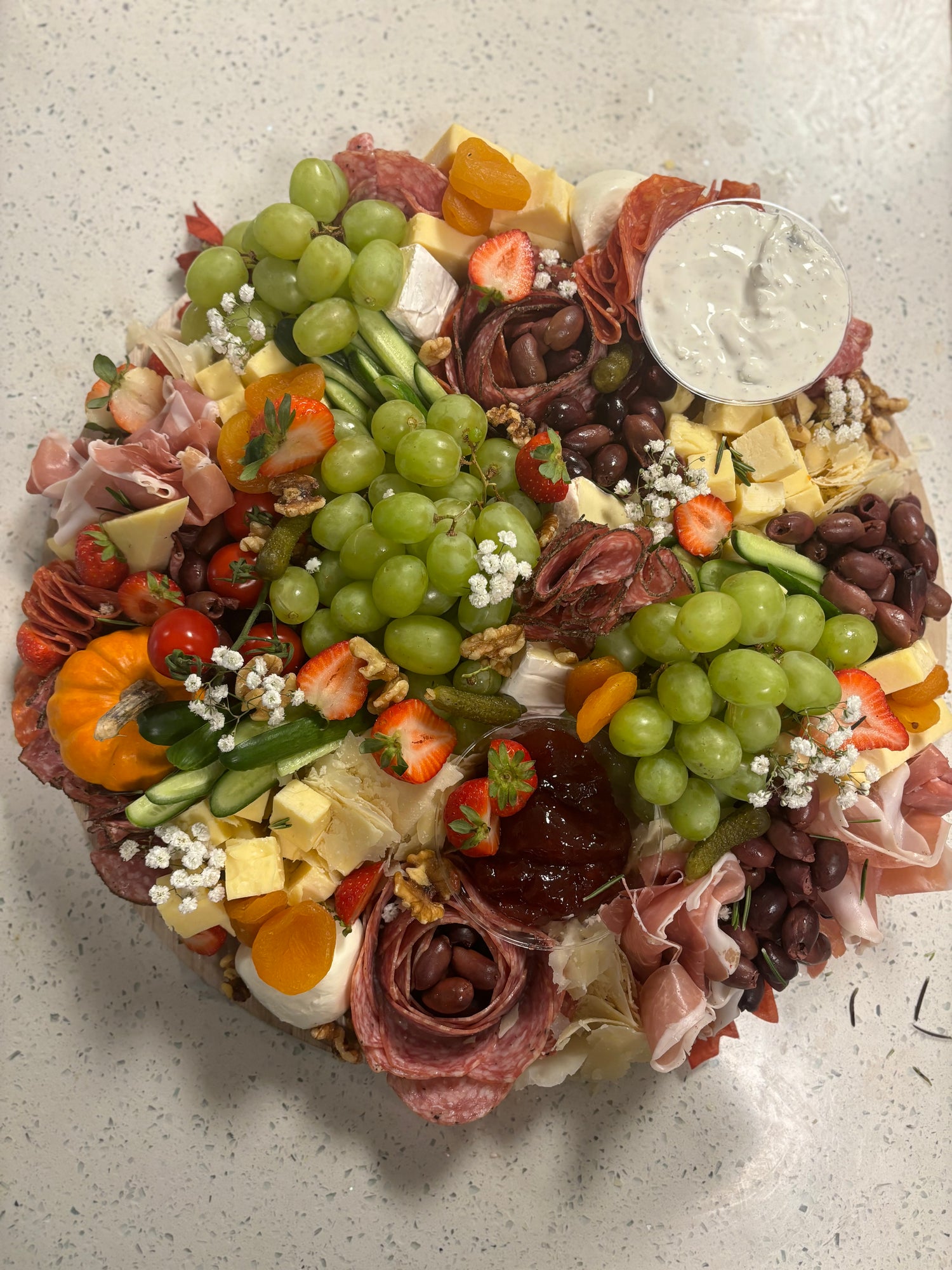
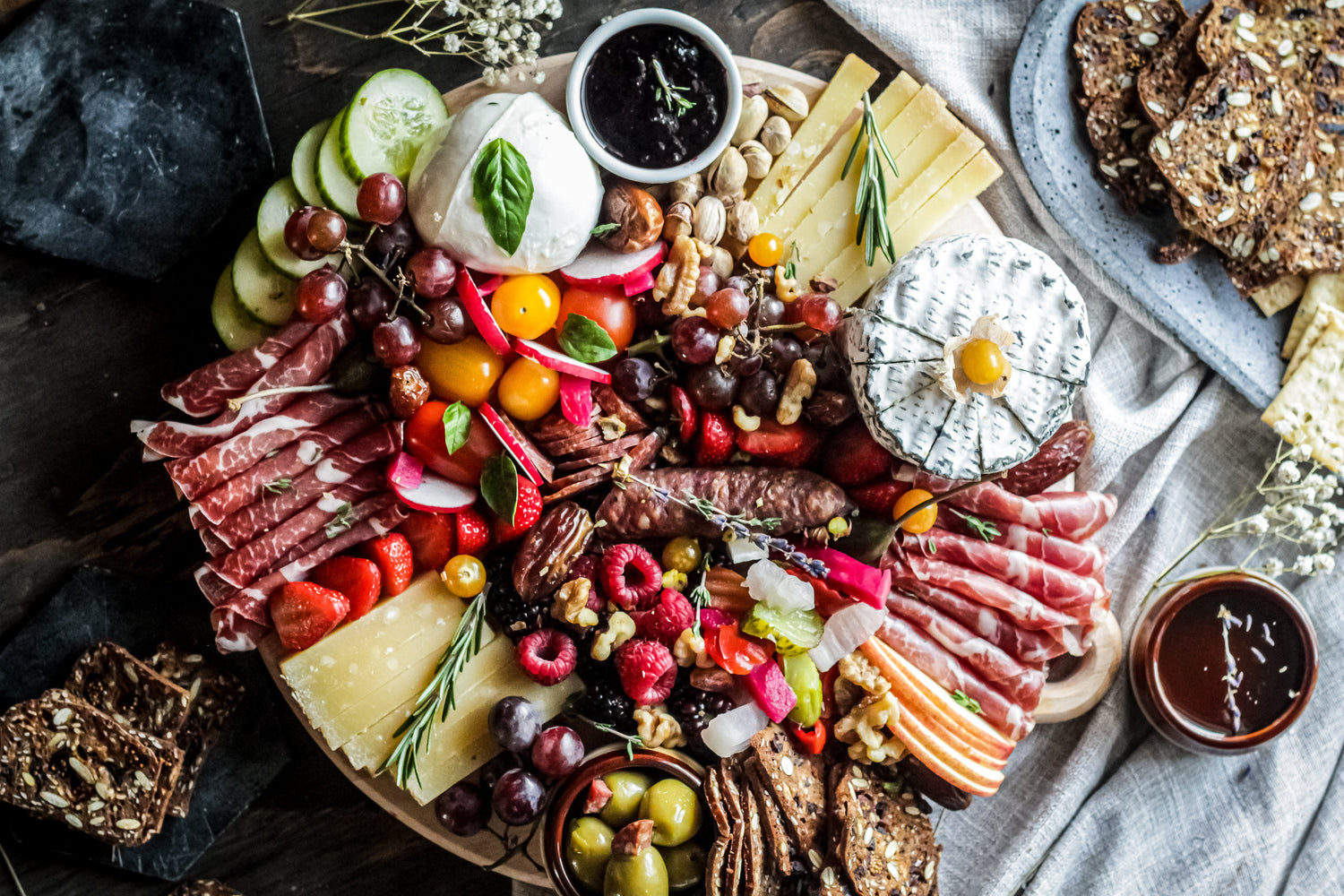
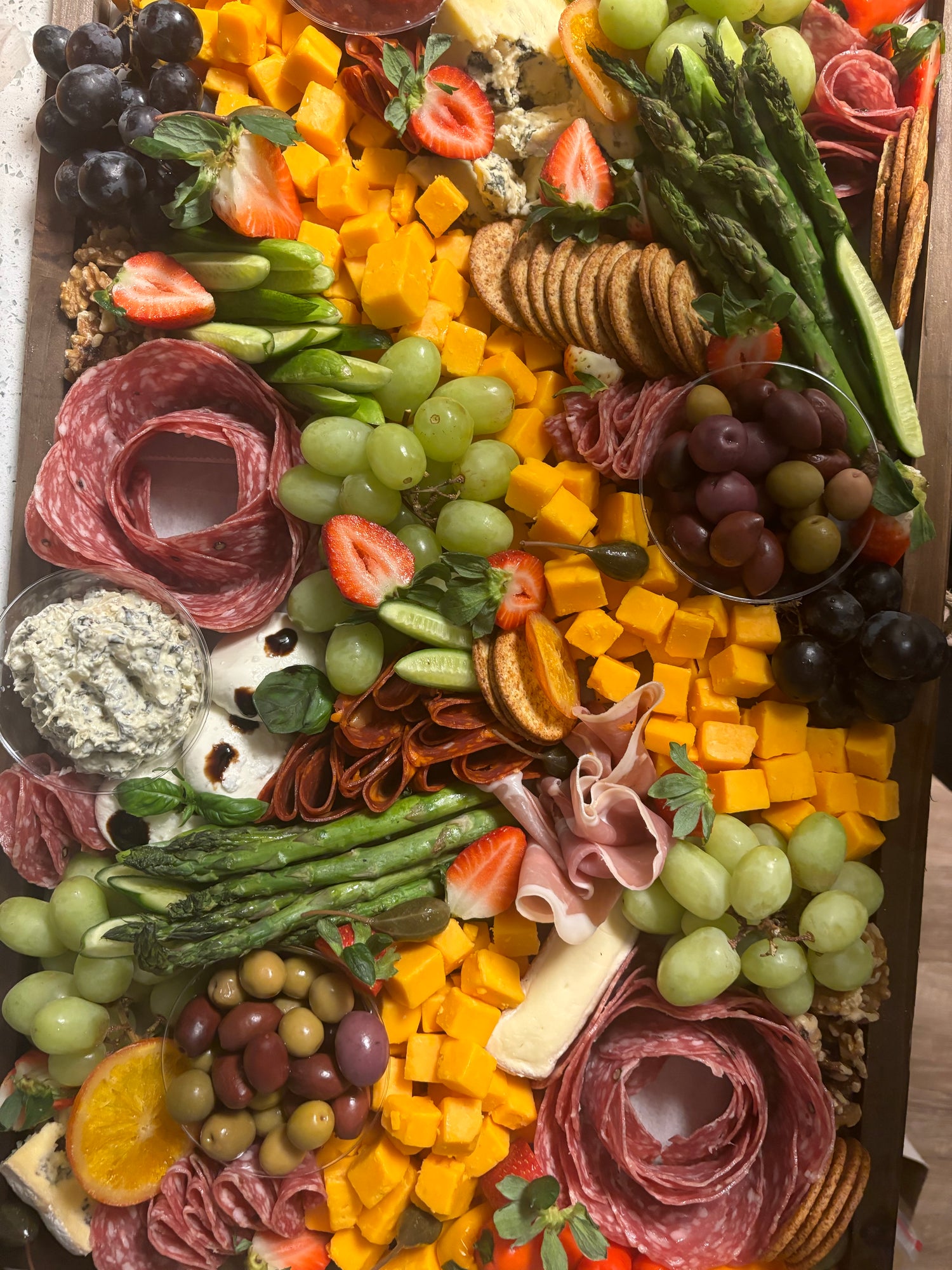
- Select a variety of textures and flavors for balance
- Include something for every dietary preference
- Add visual interest with colorful fruits and garnishes
- Provide proper serving utensils for easy sharing
- Consider the flow of your space for optimal placement

What Shared Food Actually Does to the Brain
The research on food and social bonding begins with a finding that most people have experienced but never had language for: eating with someone changes how you feel about them.
Oxford evolutionary psychologist Robin Dunbar has spent years studying the specific mechanisms through which humans form and maintain social bonds. His research identified shared meals as one of the most consistently effective bonding mechanisms across human cultures and throughout human history, more effective, he found, than most other forms of social interaction, including conversation alone.
The mechanism is physiological. The act of eating triggers the release of endorphins through the same neural pathways activated by physical touch and laughter. Endorphin release in a social context reduces the activation of the threat-detection systems in the brain, specifically the amygdala, which is responsible for the fight-or-flight response that makes difficult conversations feel dangerous. When the amygdala is less active, people are more open, more honest, and more capable of hearing things that might otherwise feel threatening.
This is why the phrase "let me buy you lunch" has been a de-escalation tactic in business, politics, and diplomacy for as long as there have been lunches to buy. It is not a social nicety. It is a neurological intervention. The meal creates the physiological conditions in which a difficult conversation is more likely to produce understanding rather than defensiveness.
Research published in the journal Organizational Behavior and Human Decision Processes found that negotiators who ate together before a negotiation reached agreements that were 12 percent more financially efficient than those who negotiated without sharing a meal. The researchers attributed the improvement not to the specific food or the social relationship but to the physiological state that shared eating produced, a state of reduced threat-perception and increased capacity for cooperation.
The table is not a neutral backdrop for a difficult conversation. It is an active participant in it.

Why the Conference Room Fails
Understanding why the table works requires understanding why the environments where most difficult conversations happen fail.
The conference room, the scheduled one-on-one, and the formal meeting are designed for professional efficiency. They signal formality, hierarchy, and consequence. When someone receives a meeting invitation for a conversation about a sensitive topic, their nervous system registers the formality before a word is spoken. They arrive already guarded. The environment has done the opposite of what the table does — it has activated the threat-detection systems rather than quieting them.
The walk-and-talk is better, movement reduces cortisol and the absence of face-to-face eye contact removes some of the pressure of difficult exchange. But it has limitations. It is difficult to sustain for more than thirty minutes, it is weather-dependent, and the side-by-side orientation that makes it work for two people does not scale to the kind of group conversation that sometimes needs to happen.
The table, particularly when food is present, solves the problems of both. It is face-to-face, but the shared object of attention, the food, the spread, the thing in the center that both people can look at when the direct eye contact becomes too much, provides a natural release valve for the intensity of the exchange. It is warm and informal in a way that signals safety rather than consequence. And it can accommodate more than two people, which matters for the conversations that need a witness or a mediator.

Washington DC and the Specific Need for This
Washington DC runs on difficult conversations. It is a city organized around positions, factions, and competing interests, a city where the ability to have a hard conversation well is a professional survival skill as much as a social one.
And yet DC professionals are, as a group, remarkably bad at having them. Not because they lack intelligence or communication skills, but they have both in abundance. But because the professional culture of this city has created a set of norms that actively suppress the conditions necessary for honest exchange.
In a city where everyone is performing their most strategic self, where professional identity is primary, and vulnerability is a liability, the ability to have a genuinely honest conversation requires a social environment that explicitly signals that the professional rules do not apply here. That signal is difficult to create in a professional context. It is almost automatic at a dinner table.
There is also the specific political and cultural polarization that makes DC a uniquely difficult environment for cross-ideological conversation. The city has sorted itself, socially, professionally, geographically, into communities that rarely encounter each other in conditions of genuine equality and openness. The dinner table is one of the few remaining environments where that encounter can happen, where the shared act of eating together has reduced the threat perception enough on both sides for actual exchange to become possible.
Research from Tufts University's Human-Environment Relations International lab found that people who shared a meal before a negotiation or difficult conversation were more likely to share information, more likely to reach mutually beneficial agreements, and more likely to feel positively about the other party afterward, even when the conversation itself involved genuine disagreement.
The disagreement does not have to go away. Just space to hold the conversation.
 gathering-not-on-convention-or-convenience.png?v=1777504974" alt="">
The Conditions That Make the Conversation Possible
Not every dinner table produces the conditions for a difficult conversation. The right conditions are specific and worth understanding.
Abundance signals safety. A table that is full, not excessive, but genuinely abundant, communicates that there is enough. This is not a metaphor. Research on scarcity and threat perception shows that physical abundance in the environment reduces the low-level stress response that scarcity triggers. A generous spread tells the nervous system that this is a safe moment. A picked-over table of inadequate food does the opposite.
The right group size matters. Difficult conversations rarely happen well in large groups. The inhibition of social performance, the tendency to perform one's best self rather than say what one actually thinks, increases with group size. Four to six people is the range in which genuine honesty becomes possible. Large enough that no single person is under constant scrutiny. Small enough that the conversation cannot fragment into separate exchanges.
Time cannot be pressured. The difficult conversation that happens when someone is checking the time, aware of another commitment, or feeling the social pressure of a gathering that is about to end, will not go as deep as it needs to. The table that allows for lingering, that has nowhere to be, that invites the conversation to find its own length — is the one where the hard things get said. This is one of the arguments for the recurring gathering: people who know they have another dinner in four weeks do not feel the same urgency to resolve everything in one evening. The reduced urgency, paradoxically, allows more honesty.
Shared history helps. The most productive difficult conversations tend to happen between people who already have accumulated time together, whose relationship has the resilience to absorb the friction of an honest exchange. This is another argument for the recurring dinner. The relationship built across twelve monthly gatherings can withstand a conversation that the relationship built across two meetings cannot. Trust is the prerequisite for honesty, and trust is built through repetition.

How to Create the Conditions Deliberately
Most difficult conversations happen by accident, at the end of a gathering when the other guests have left, in the car on the way home, after a second glass of wine when the defenses have dropped enough for something real to emerge. These accidental moments are valuable. The conditions that produce them can also be created intentionally.
Choose the table over the meeting. When a difficult conversation needs to happen, the first decision is the environment. A meal, even a casual one, consistently produces better outcomes than a formal meeting. The food does not need to be elaborate. It needs to be present, shared, and abundant enough to signal that this is a warm rather than a formal occasion.
Arrive at the table before the conversation. Do not lead with the agenda. Let the meal begin, let the endorphins do their work, let the environment establish its warmth before the difficult thing is introduced. The conversation that begins after fifteen minutes of shared eating is categorically different from the conversation that begins the moment both people sit down.
Use the shared object. When the conversation becomes intense, when someone says something that lands hard, when the silence after a difficult statement needs space, the food in the center of the table is a natural and available reset. Reaching for something, passing a plate, commenting on what is in front of both of you, is not avoidance. It is a brief regulation of the nervous system that allows the conversation to continue rather than collapse.
Name the intention without framing it as a problem. "I wanted to have this conversation with you over a meal because I think that's where we do our best thinking together" is a very different framing than "I need to talk to you about something." The first signals warmth and intentionality. The second signal's consequence. Both might introduce the same conversation. Only one of them sets up the conditions for it to go well.

What the Table Asks of the People at It
The table creates the conditions. It does not do the work.
The work of a difficult conversation is still the work of honesty, of saying the thing clearly, without cruelty, with enough care for the other person to make the saying of it an act of respect rather than an act of aggression. The table makes this easier. It does not make it effortless.
What the research consistently shows is that people who have regular access to a shared table, who gather with a consistent group often enough that the relationship has accumulated weight and history, are more capable of having difficult conversations than people who do not. Not because they are braver or more skilled communicators, but because the repeated practice of showing up at the same table with the same people has built the kind of trust that makes honesty feel less dangerous.
The recurring dinner is, among other things, practice. Practice in presence, in honesty, in the small acts of vulnerability that over time build the capacity for the larger ones. The person who sits at the same table twelve times a year with people they are learning to know well is developing something that cannot be acquired any other way, the trust that comes from repeated, ordinary, witnessed presence.
That trust is what makes the difficult conversation possible.

The full framework for building the kind of recurring gathering that creates this kind of trust, including the specific group sizes, formats, and social design principles that make it work, lives in the complete connection guide at theultimatenosh.com/pages/connection.
If the gathering you want to build starts with a table that handles itself, so you can be present for the conversations rather than managing the food, this is where to start.