





What you will take away:
1. Halloween is the one night adults in DC get permission to play.
2. Costumes make the first conversation easy.
3. A little shared fear brings people closer, fast.
4. Go out together, then come back to one table.
5. Give people something to do with their hands.
6. Invite the people you keep saying "we should hang out" to.
Keep reading for the DC context and a simple plan for a Halloween weekend people remember.

For eleven months of the year, most of us in Washington walk around as a version of ourselves that fits on a lanyard. The analyst, the associate, the staffer, the designer who also does contract work on the side. We introduce ourselves by what we do before we say anything about who we are, and we get so used to it that we stop noticing.
Then late October shows up. The rowhouses on Capitol Hill start filling their stoops with pumpkins, somebody on your block puts a twelve-foot skeleton in their front yard the size of a tiny home, and for one weekend the city loosens up and gives everyone a pass. You can show up as your favorite celebrity, a Supreme Court justice, or a very specific inside joke, and nobody asks what you do.
That pass is worth using. This year Halloween falls on a Saturday, which gives you a full weekend to do something with it.
Why Halloween Works So Well for Connection
Most adult socializing in DC runs on the same script: a cocktail, a job title, a quick scan to see whether this conversation is useful. Halloween breaks that script in a few ways at once.
The first is the costume. A costume is a conversation starter you get to wear. "Wait, who are you?" is the easiest opening line there is, and it moves straight to taste, humor, and the shows and books and memes you care about, which tells you far more about a person than their employer does. Shy people especially get a break here, because the costume does the first thirty seconds of work for them.
The second is play. Adults rarely get unstructured time to be silly with other adults, and the people who seem to have the easiest time making friends in their late twenties and thirties are usually the ones who kept some room for it. Halloween hands that room to everyone for a night.
The third is a little bit of fear. Sociologist Margee Kerr, who has spent years studying people inside haunted houses, found that many people come out of a controlled scare in a better mood and feeling closer to the people they went through it with. Older research on couples points the same way: doing something new and a little exciting together makes people feel more connected than doing something pleasant and familiar. A ghost tour, a haunted house, or a scary movie with the lights off gives a group a shared story before the night is over.

DC Is Better at Halloween Than It Gets Credit For
This city has real Halloween texture if you know where to look. Capitol Hill and parts of Mount Pleasant and Petworth turn into full trick-or-treat neighborhoods, and the porches go all out. Georgetown has the Exorcist Steps, which somehow never stop being a group photo. Historic Congressional Cemetery runs evening tours through the season, and the museums and theaters usually program something eerie in late October. Dupont has a long tradition of treating the week before Halloween as a street party.
Schedules change year to year, so check dates before you build a plan around any single event. The point is that DC gives you plenty of places to go. What most of us are missing is a place to come back to.
The Home Base Plan
The best Halloween nights we hear about from our hosts follow a simple shape: go out together, then come back to one table. The bar crawl and the costume contest are fun, but conversation rarely happens in a crowd where everyone is shouting over a DJ. It happens in someone's living room at 11 pm, half out of costume, recapping the night.
Here's how to set that up without turning your Saturday into a production.
Keep it to six to ten people. Research on group size consistently finds that conversation stays whole at around four to six people and starts splitting beyond eight. For Halloween you can stretch it a little, since people will drift in and out, but a home base works best when you can fit everyone around one table.
Make the costume optional and the theme loose. Some of your people will go all in, and some will show up in cat ears they bought at CVS on the way over. Both are fine. If you want a prompt, pick one that starts conversations: come as your first job, come as a DC landmark, come as something from the year you were born. Artists and designers in your group will run with it, and everyone else gets an easy way to join in.
Give people something to do with their hands. Side-by-side activity is one of the easiest ways into conversation, especially for people who don't love the face-to-face small talk of a party. Carve pumpkins on the stoop. Take a shift handing out candy to the neighborhood kids. Put out some cheap masks and paint pens and let people make something. Conversations go easier when nobody has to hold eye contact.
Make one introduction on purpose. Before anyone arrives, pick two people who don't know each other but should. Know one real detail about each. The costume gives you the opener: "You two need to meet. She's the only other person here who got this reference." That one introduction does more for the night than any playlist.
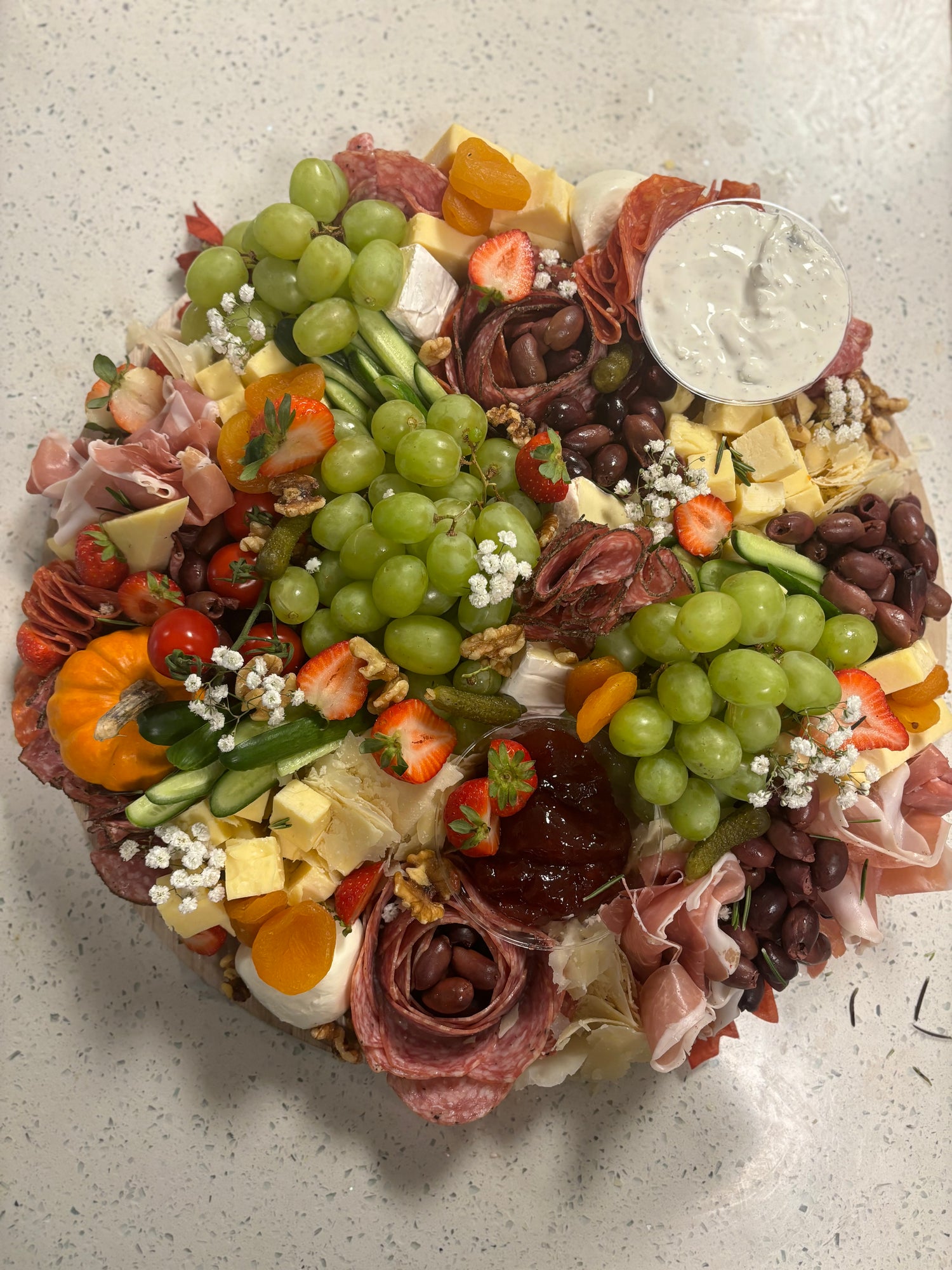
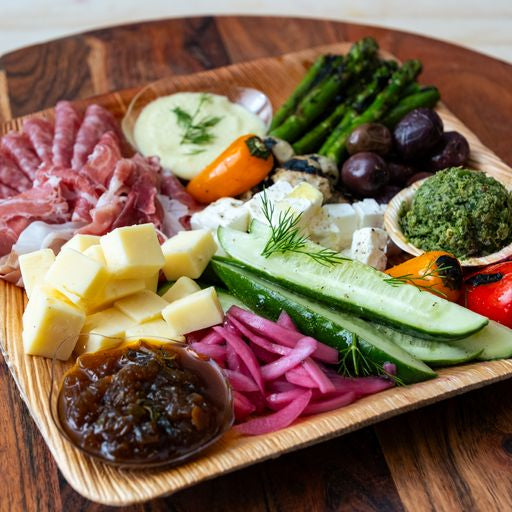
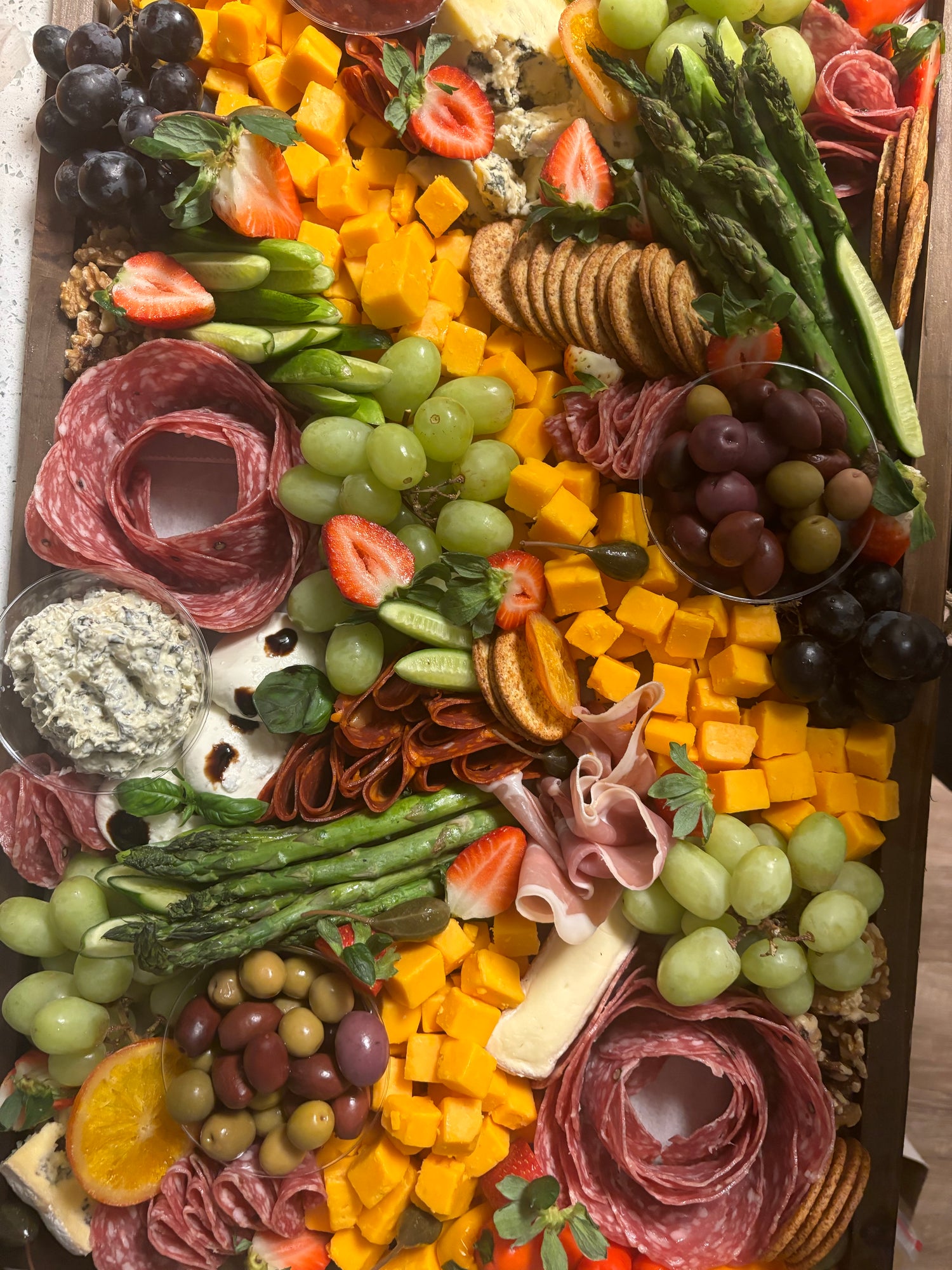
Keep the food out and easy to graze. A Halloween night has people coming and going, heading out to a haunted house and back, stepping outside for the trick-or-treaters. Food that can sit out and be picked at for hours works better than anything that needs plating or a set dinner time. Whatever you choose, put it in the middle of the room where people have to gather around it.
The latter is why we built the Bootacular Board this season. It arrives ready to unwrap and host, sized for six people up to twenty-five, so you can spend the evening at the door and in the conversation instead of in the kitchen. It's available through October 31.

The People You Keep Meaning to See
Everyone in this city has a list of people they like and never see. The coworker from two jobs ago. The friend from the gallery opening who said "we should get dinner" in March. The neighbor you only ever wave at. Halloween is a good excuse to text all of them, because the invitation is fun and specific and nobody has to wonder what it means.
What makes a gathering matter is doing it again. The friendships that hold up in a city as transient as DC get built through repeated, ordinary time together, not one big night. So if Saturday goes well, set the next date before everyone leaves. Friendsgiving is only a few weeks away.
The full framework for building gatherings that grow into community, including room setup, introductions, and reading the room, lives on our connection in the city page.

This week, send one text: "Halloween Party?. Costume optional. Come hungry." Then pick the two people you want to introduce.